Lessons from Butterflies
Writer’s note: bear with me here - this is a bit of a departure from writing about food to writing about butterflies (except it’s not really about butterflies). Hope you enjoy!
This March, I started volunteering at Phoenix’s Desert Botanical Garden. Guests could find me in the seasonal Butterfly Pavilion, chattering on about butterflies and their metamorphosis, their host plants, their behavior.
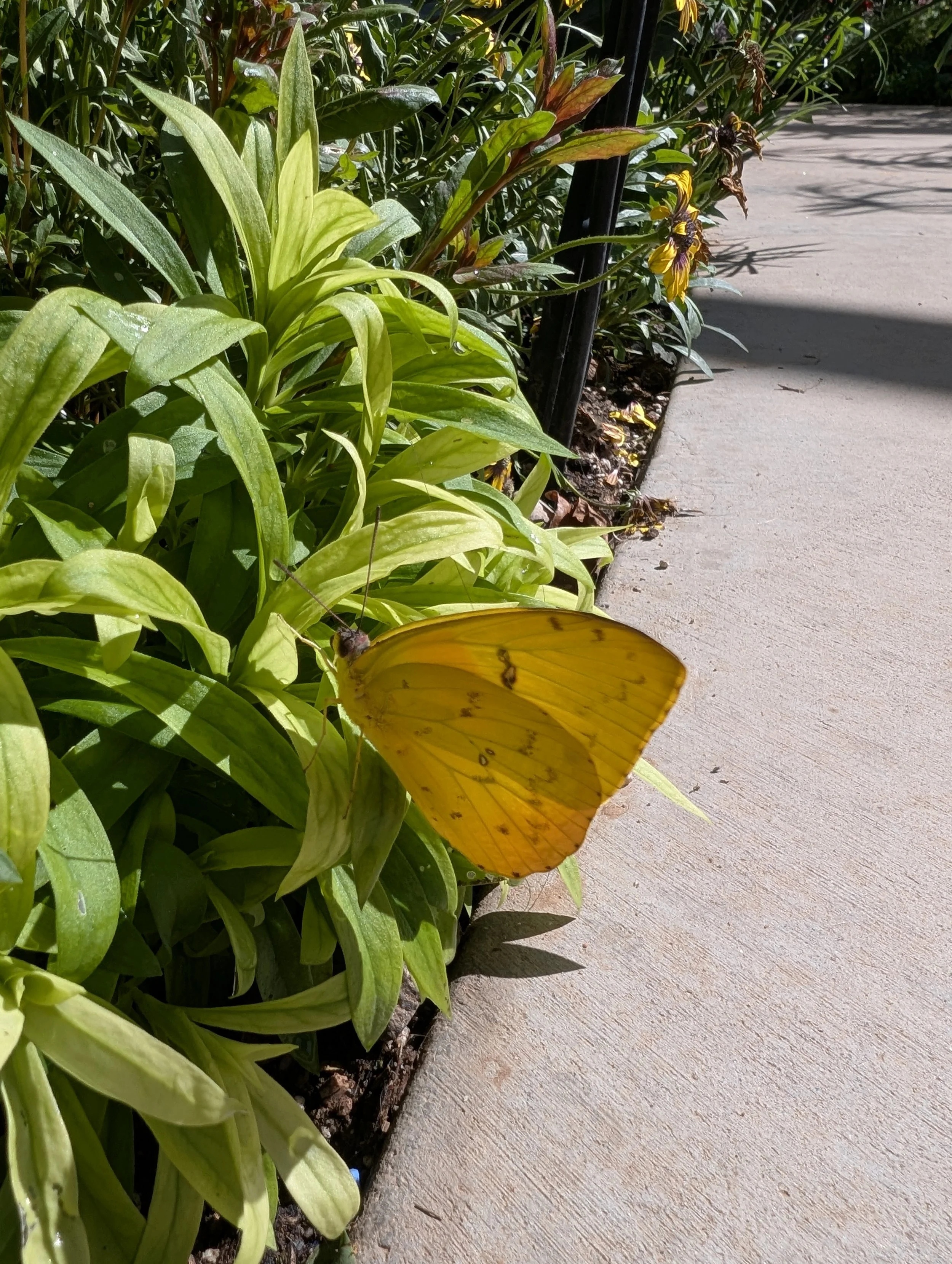
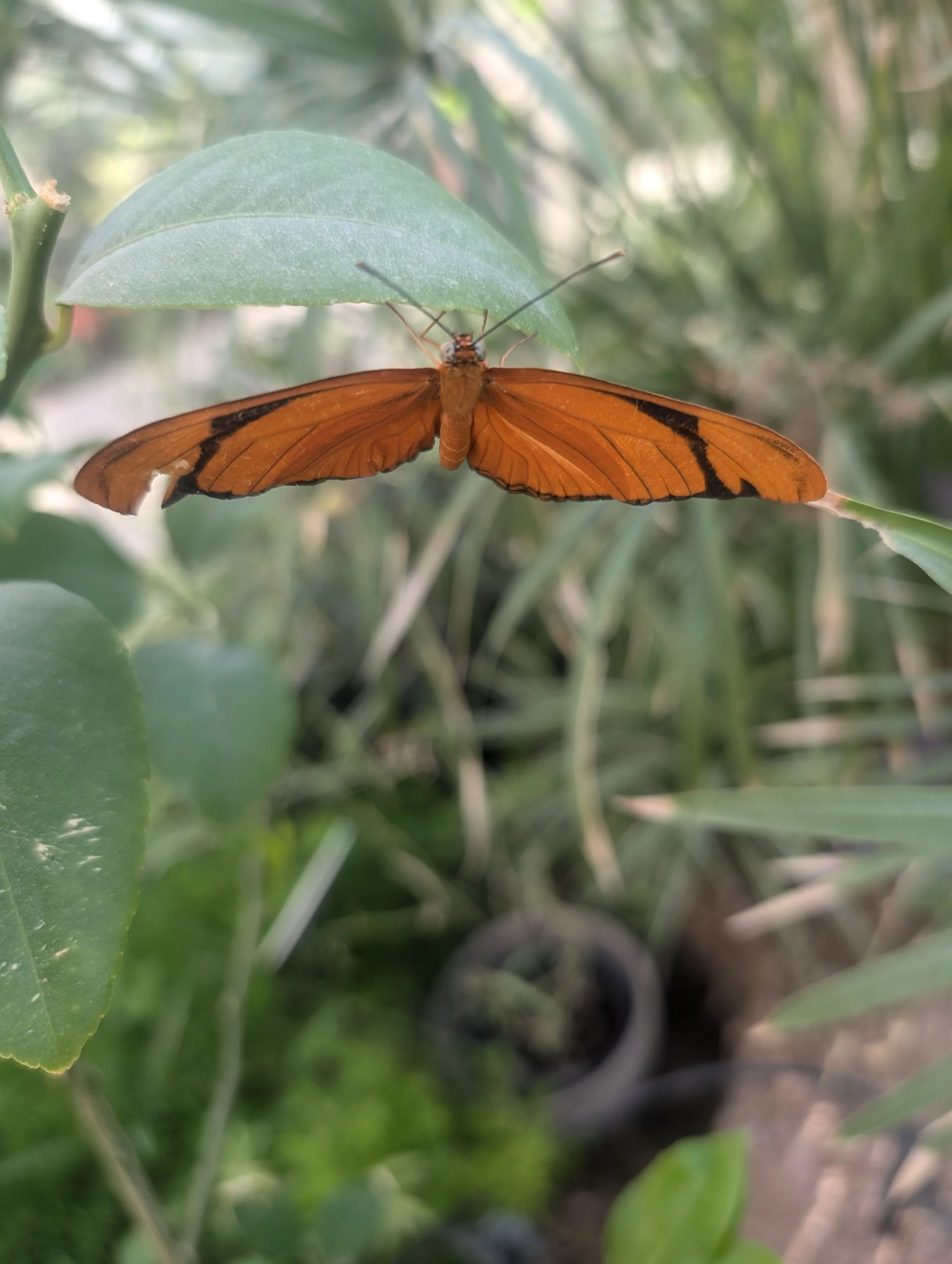
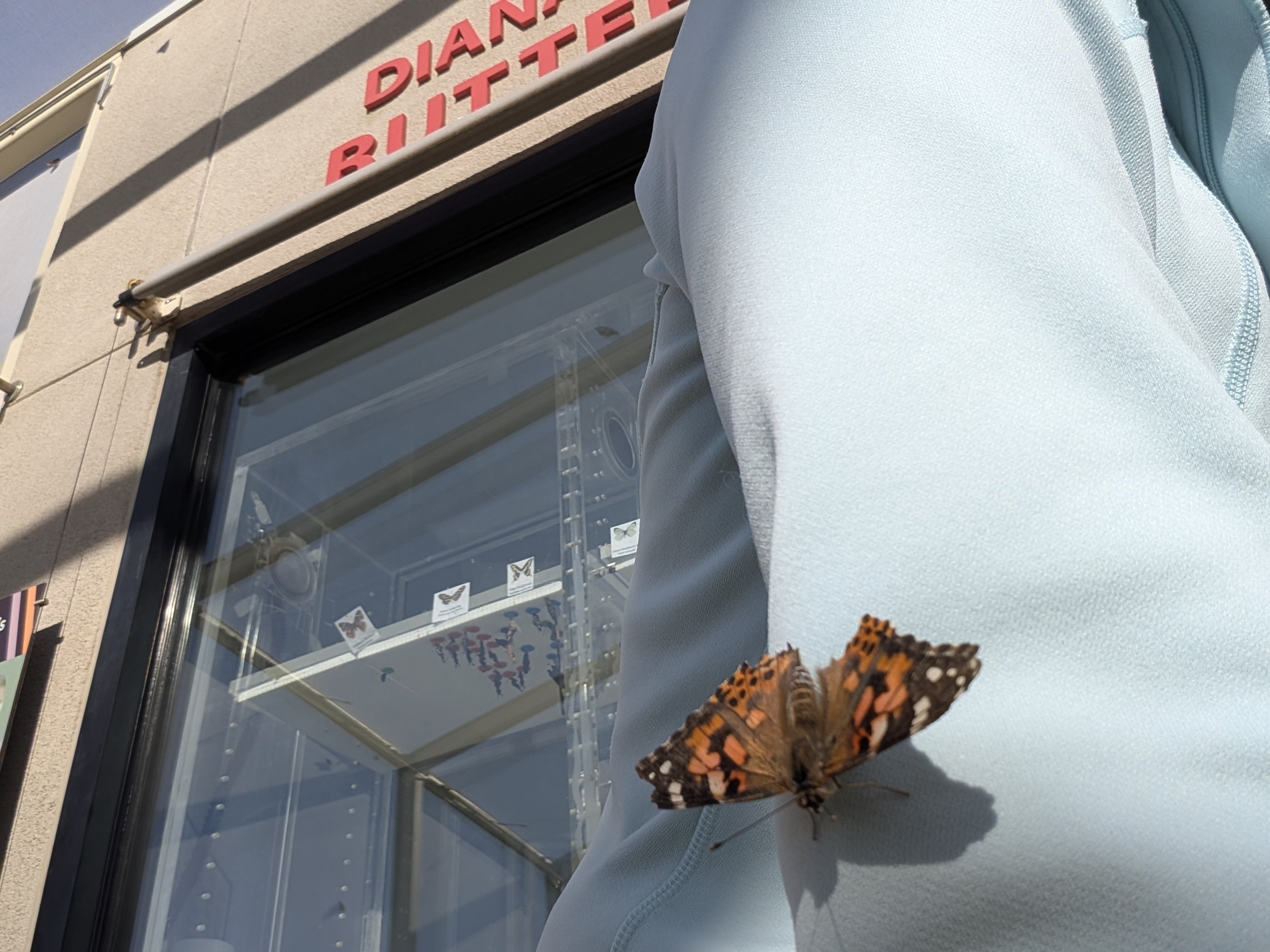
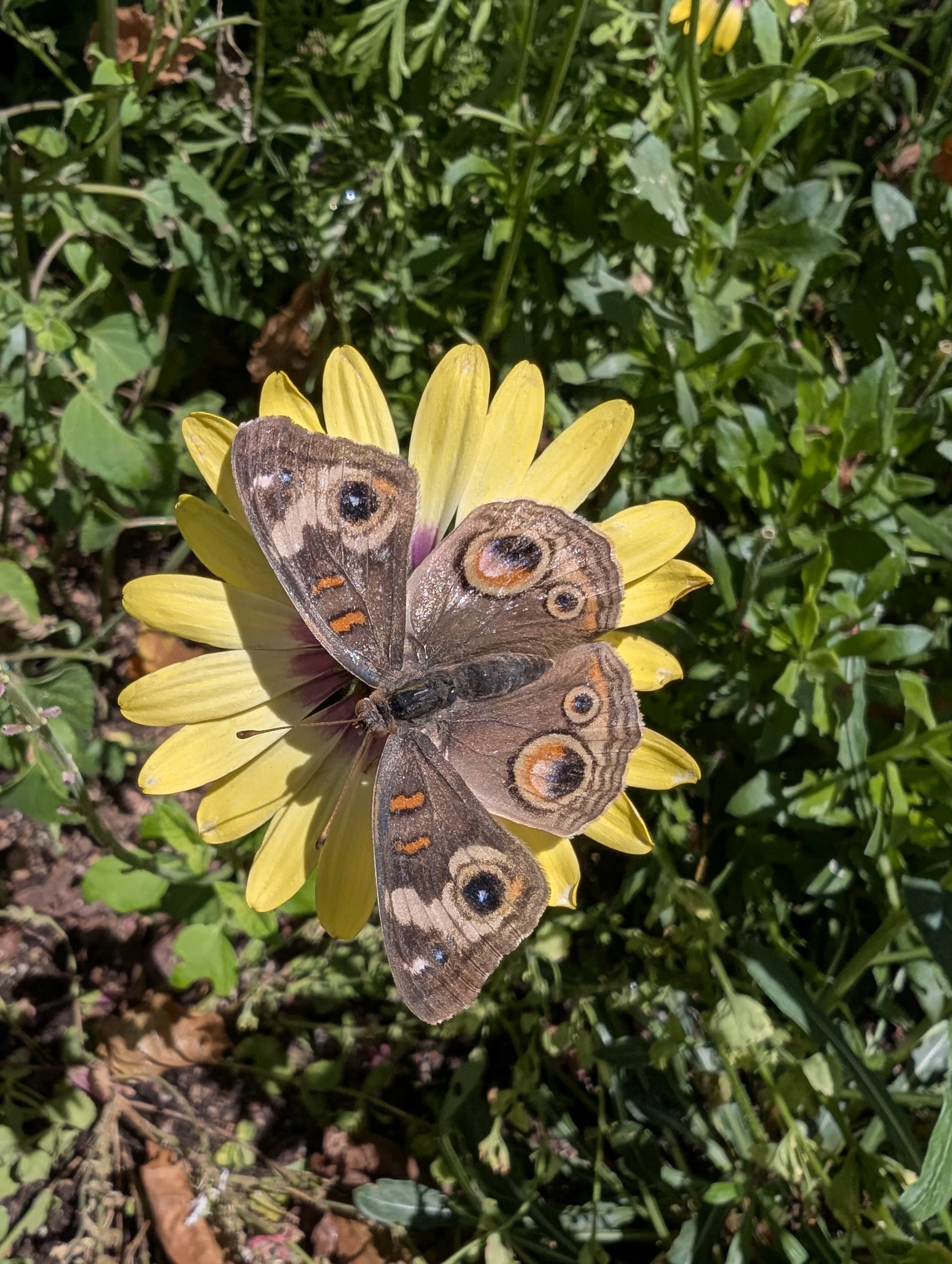
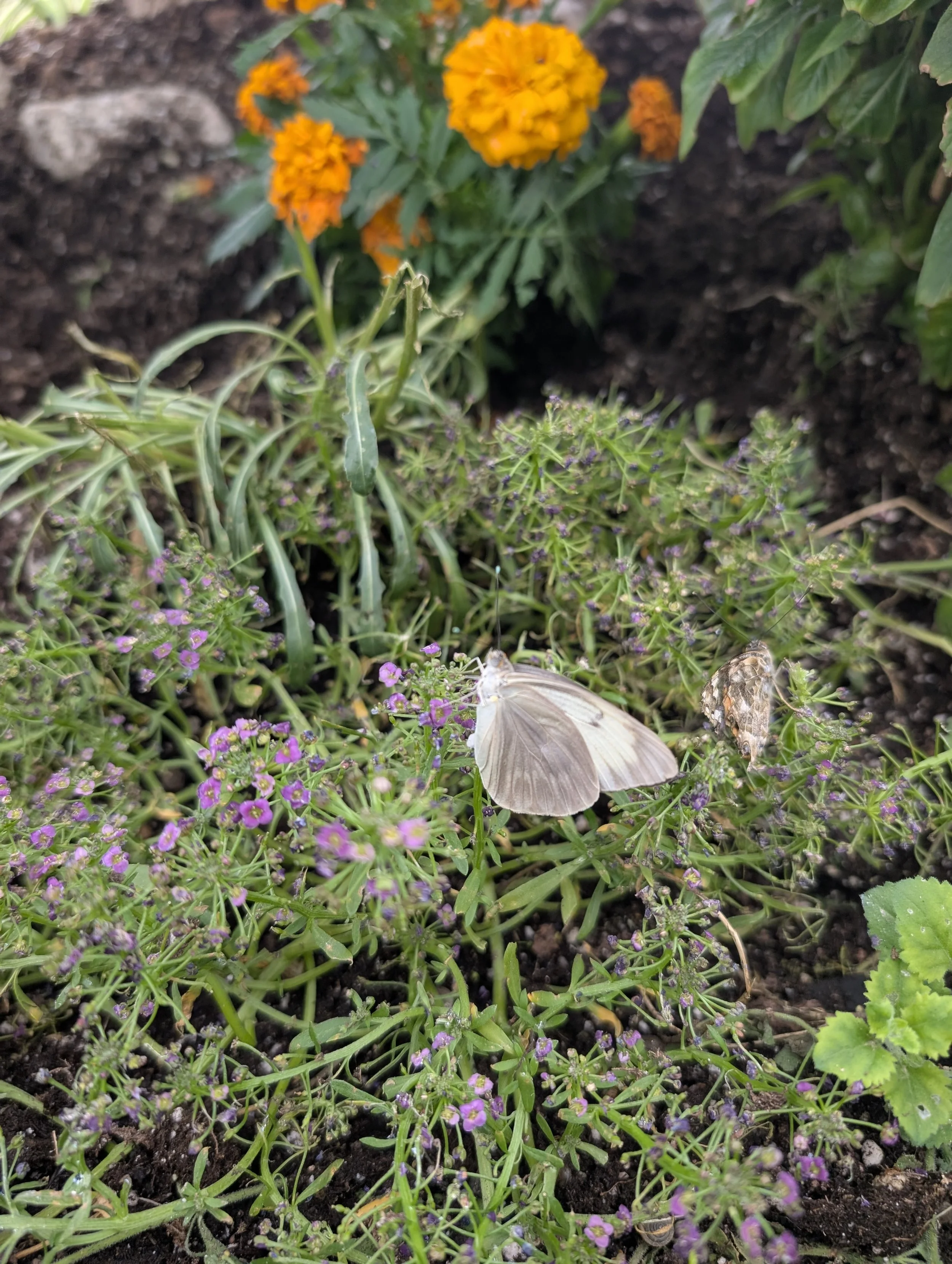
I swept Painted Ladies off the path to make sure they didn’t get caught underfoot. I pointed out the Orange-Barred Sulfurs that hung under stems as they rested, hiding out as a yellow leaf of an aspen tree. I watched Zebra Longwings chase each other through the orchid bush.
A few weeks in, something interesting started happening. In the quiet minutes between the rushes of field trips, spring break visitors, and Final Four guests, I started hearing the butterflies. The flap of their wings. The crack of a chrysalis. The sip sip sip of a proboscis drinking nectar. And slowly, the butterflies started sharing their secrets.
Being still
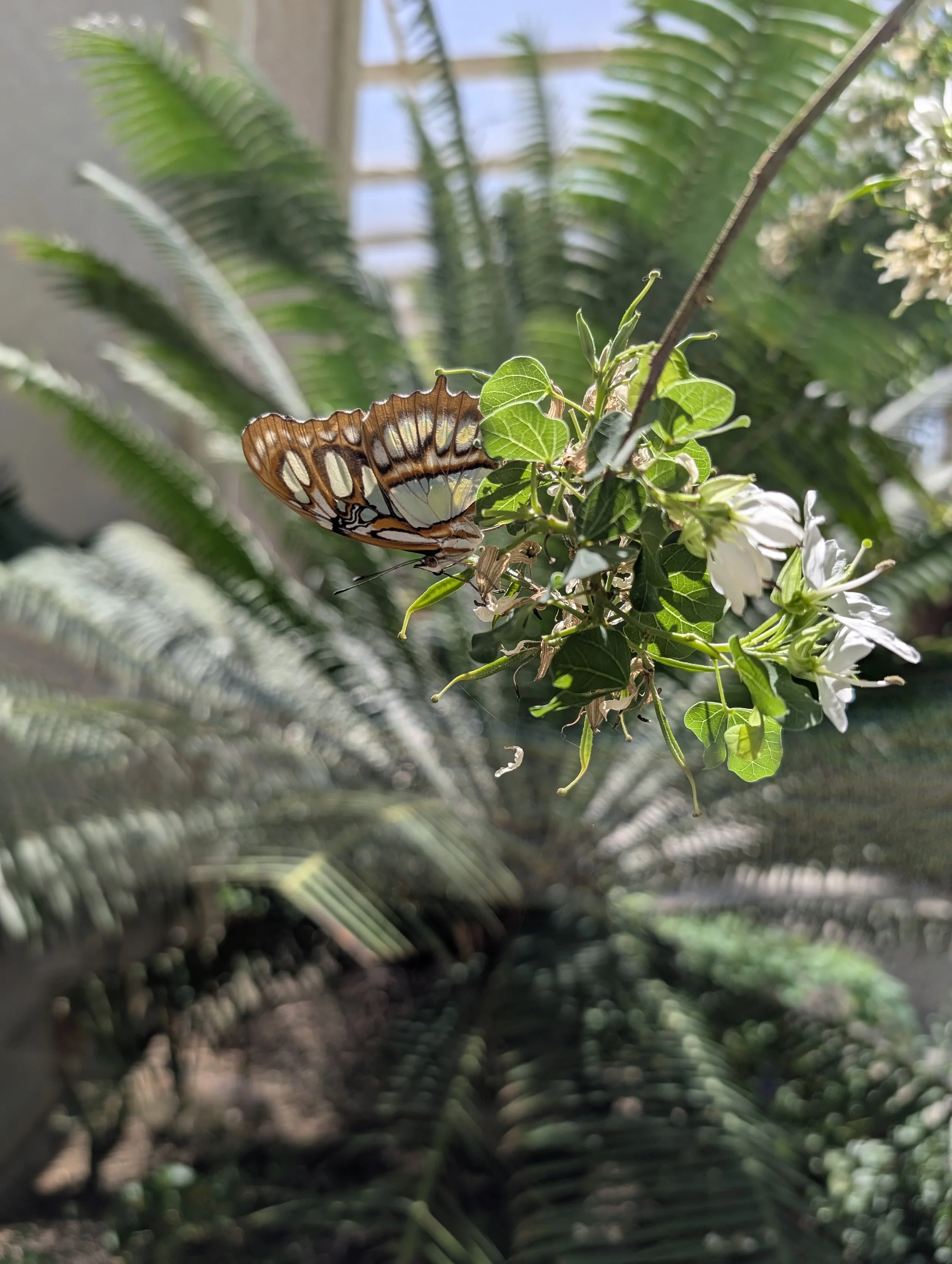
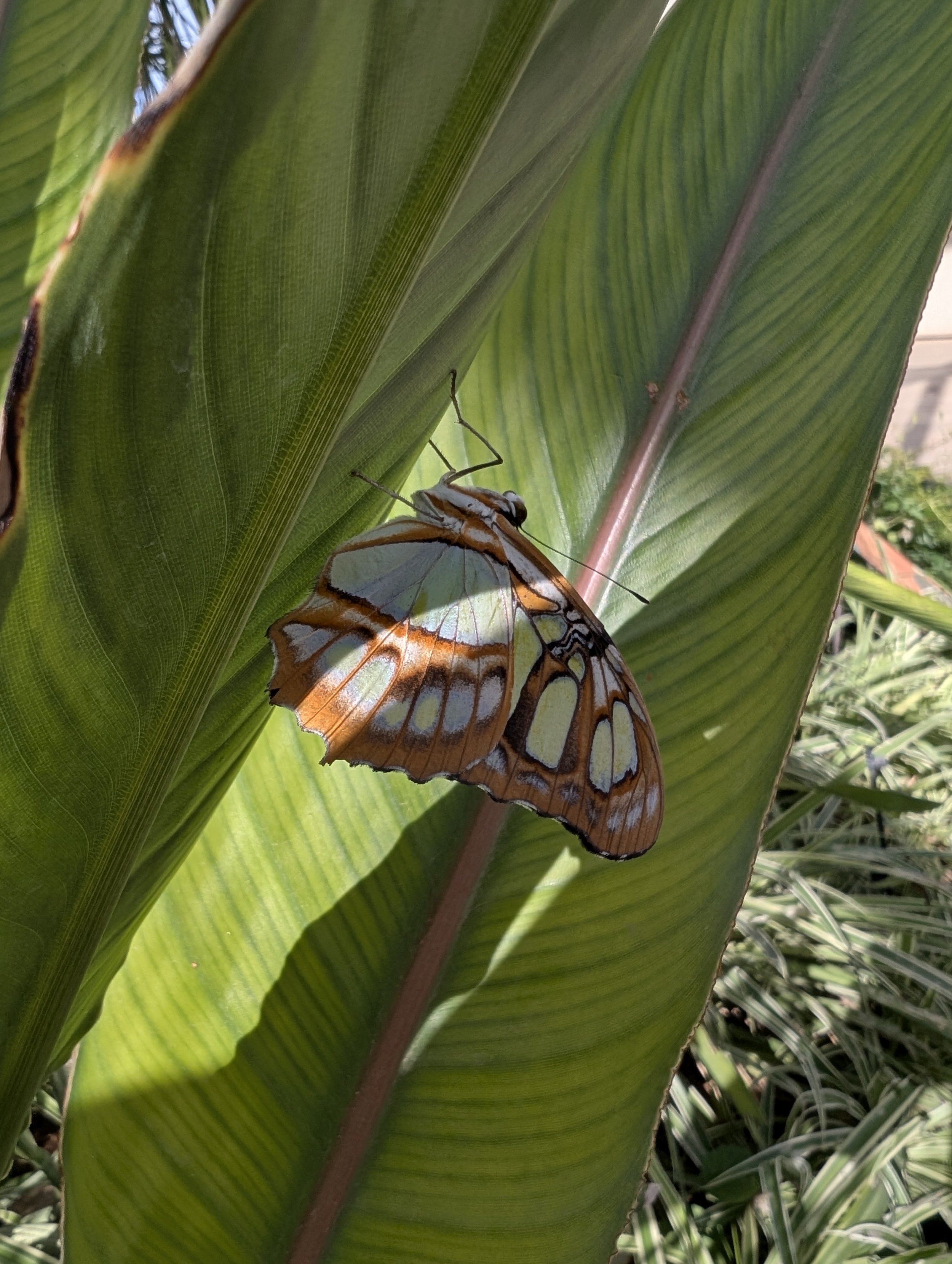
The first lesson that emerged was seeing what happened when guests finally stood still. They’d enter the butterfly enclosure with such energy and excitement. It’s a rush of activity and new smells. Eventually, they need a break, so they find a bench and sit down. This is when the magic happens. Under a sunbeam, a Malachite butterfly lands on a wrist or a knee to rest. Good things happen when we rest.
Innate Growth
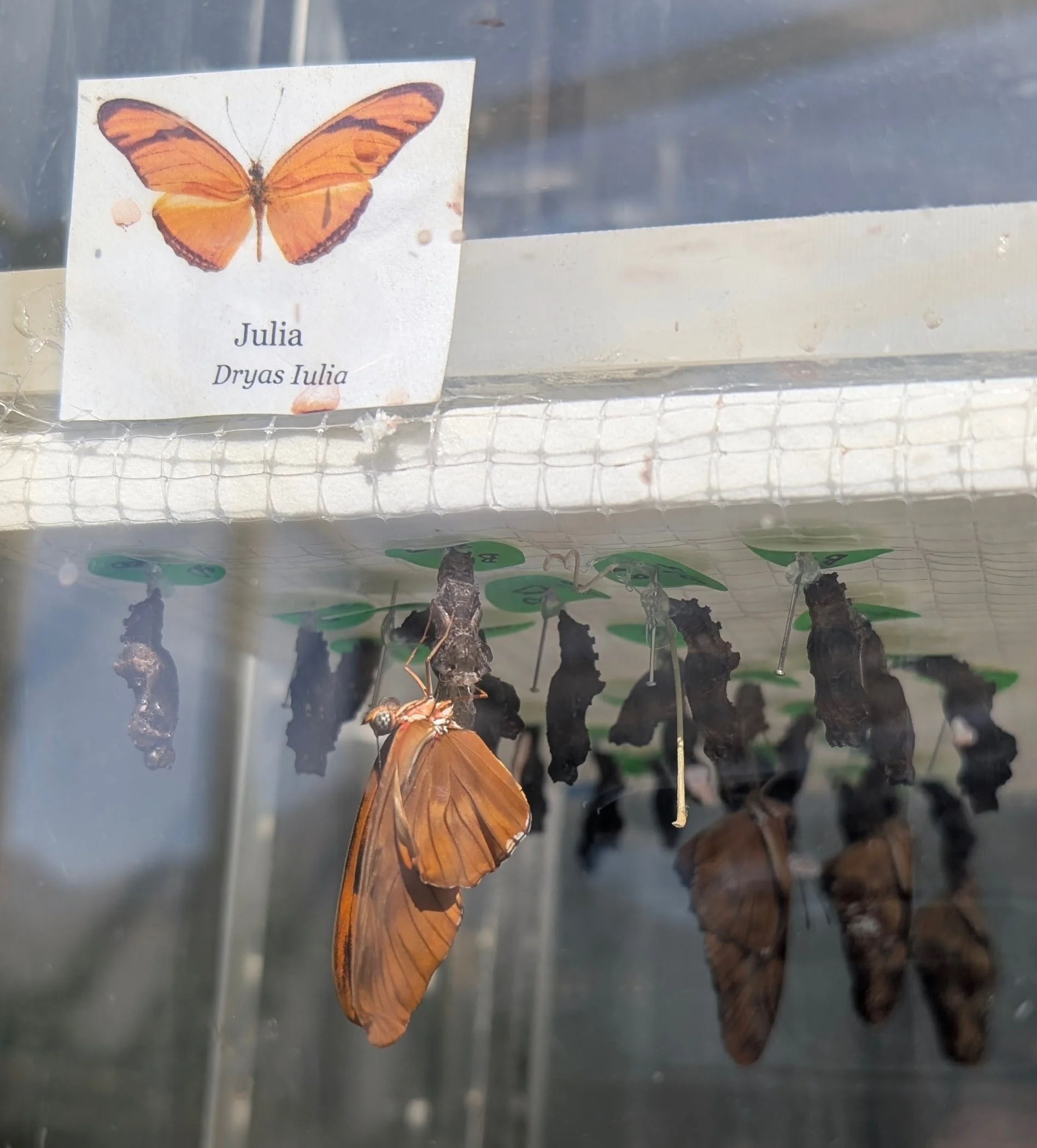
Then, guests head over to the nursery of the Butterfly Pavilion. In the nursery, chrysalises hang from shelves and caterpillars turn into butterflies. Something that was absolutely wild to me about this process was how complex it is - yet the caterpillars do not have the capacity to know what is really going on, nor control it. Even when we don’t know what we’re doing, something in us does. Trust our bodies, trust our metabolisms. To remind myself of this lesson, I put my hand over my heart to feel it beating and remember that it is beating without me asking it to. Like how the caterpillar turns into a butterfly without trying.
Eclosing
When a butterfly comes out of its chrysalis, it’s called “eclosing”. The butterfly cracks the chrysalis, a bit of meconium (reddish liquid waste products from those 10-14 days of metamorphosis) spills out, and the legs hold onto the chrysalis as the butterfly falls out upside down and the wings start to spread out. For the most part, this goes as planned. But, sometimes the wings end up a little trapped. Or the legs don’t grasp the chrysalis quite right and the butterfly falls to the shelf floor before it can expand its wings. And it was in those moments that trained staff could help out if possible. We all need a little help when we’re discovering where we are in the world, when we’re going through a change. Help someone else release their wings. Let someone else help you onto a twig when you need to get ready to fly.
A Note on Wings
Butterfly wings made up of teeny tiny little chitin scales, laid out one layer over another, arranged like roofing tiles. They seem like the most fragile parts of a butterfly, especially when they can get chipped away at time and time again. However, this often has minimal impact on the butterfly. Plenty of butterflies fly around all the time with wrinkled or chipped wings. They don’t have to look perfect to be a perfectly good butterfly. We, too, can fly with broken and tattered wings.
“How long do they live?”
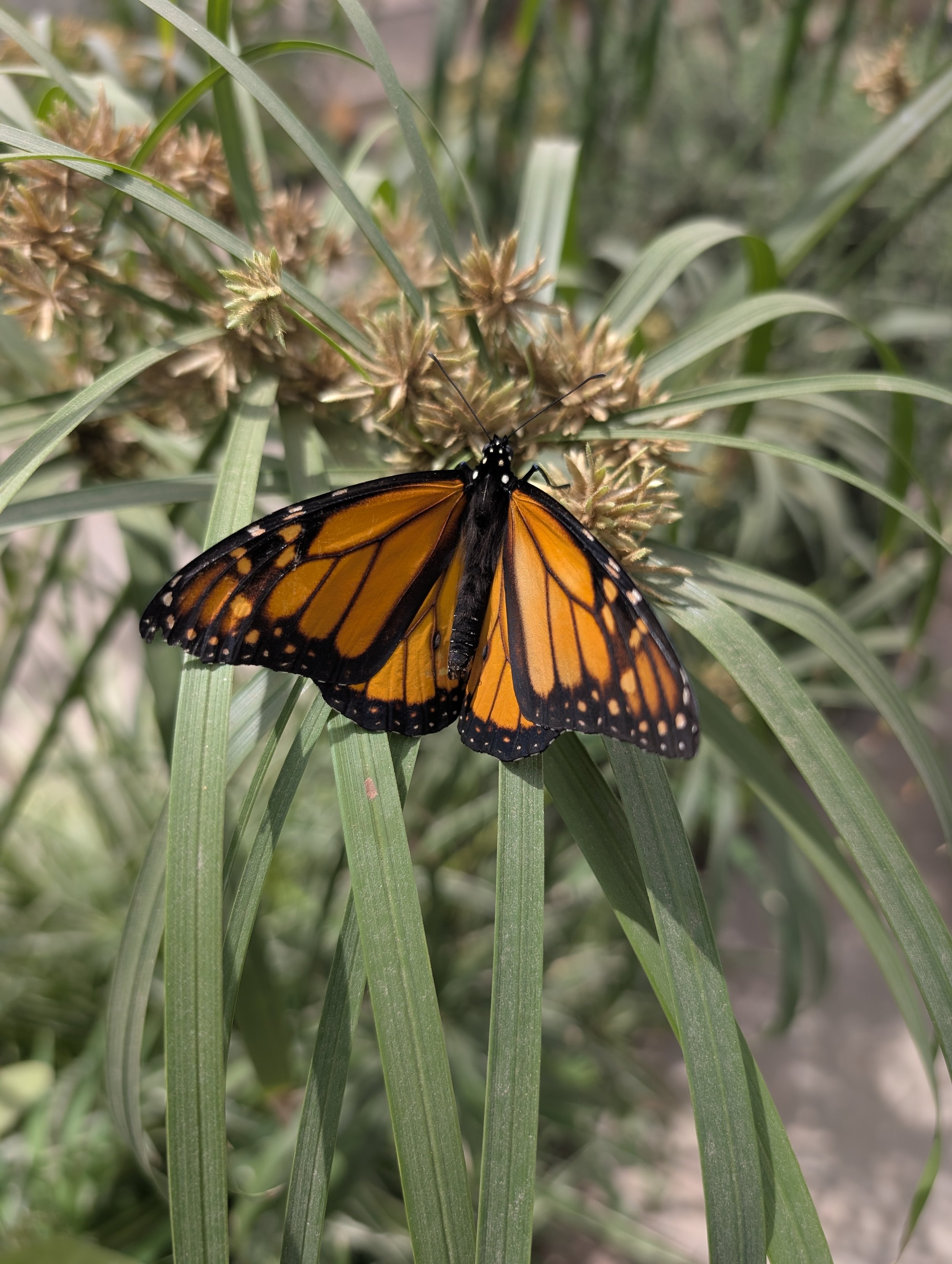
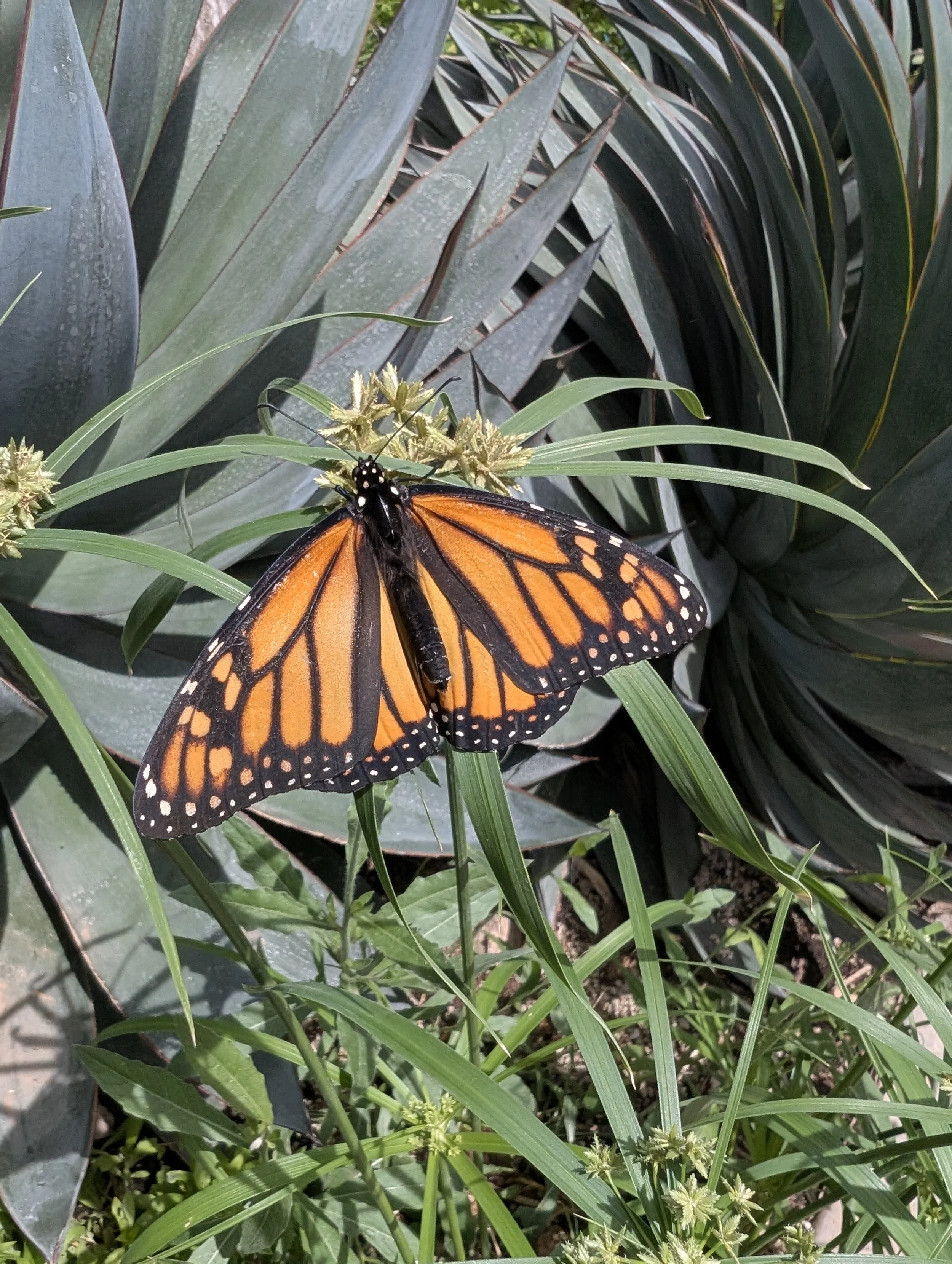
Many guests are curious about the butterfly life cycle and lifespan. Butterflies only live 2-6 weeks, on average (*unless you’re a Monarch that is part of a migratory generation - then you live many months to complete your migration). During this time they sip nectar and pollinate plants, mate, and lay eggs on their host plants. Those eggs will hatch into caterpillars, which go through 5 molts during their 10-14 day lifespan. Then, they take 10-14 days to go through metamorphosis in their chrysalis. Finally, they eclose into a butterfly and start the whole cycle anew. Life may seem short, but it’s the last two-thirds that’s really beautiful - and expect there to be some awkward and insane transformations along the way.
Always Changing
The Butterfly Pavilion exhibit itself is seasonal. It is exposed to the local climate, so it’s open when it’s comfortable temperatures for the butterflies (which also happens to be when it’s comfortable for the humans). Butterflies entire lives are about change: egg to caterpillar, caterpillar to chrysalis, and then chrysalis to butterfly. About halfway through my season at the exhibit, a family member passed away in hospice. The next day, I went to the garden to volunteer. I was sitting at the chrysalis nursery, watching Great Southern White butterflies eclose. On this day, they seemed to go in rapid succession. One after another after another was transforming from chrysalis to butterfly, chrysalis to butterfly. Legs grasping the chrysalis, wings uncurling, flapping dry, and eventually starting to fly. Over, and over, and over.
One guest came up and was so touched by the scene. She told me that she was a retired hospice nurse, and at their hospice center when someone was passing, they would do a butterfly release. Butterflies can help us make peace with change. Change is hard and new and difficult, but it is a part of our process and our journey. And while we don’t know what’s on the other side of our chrysalis, something in us does.